
Innovation in sport today extends far beyond the stadium, field, or training ground. Increasingly, it is shaped by the convergence of health research, intellectual property (IP), data governance, wearable technologies, artificial intelligence, and technology transfer.
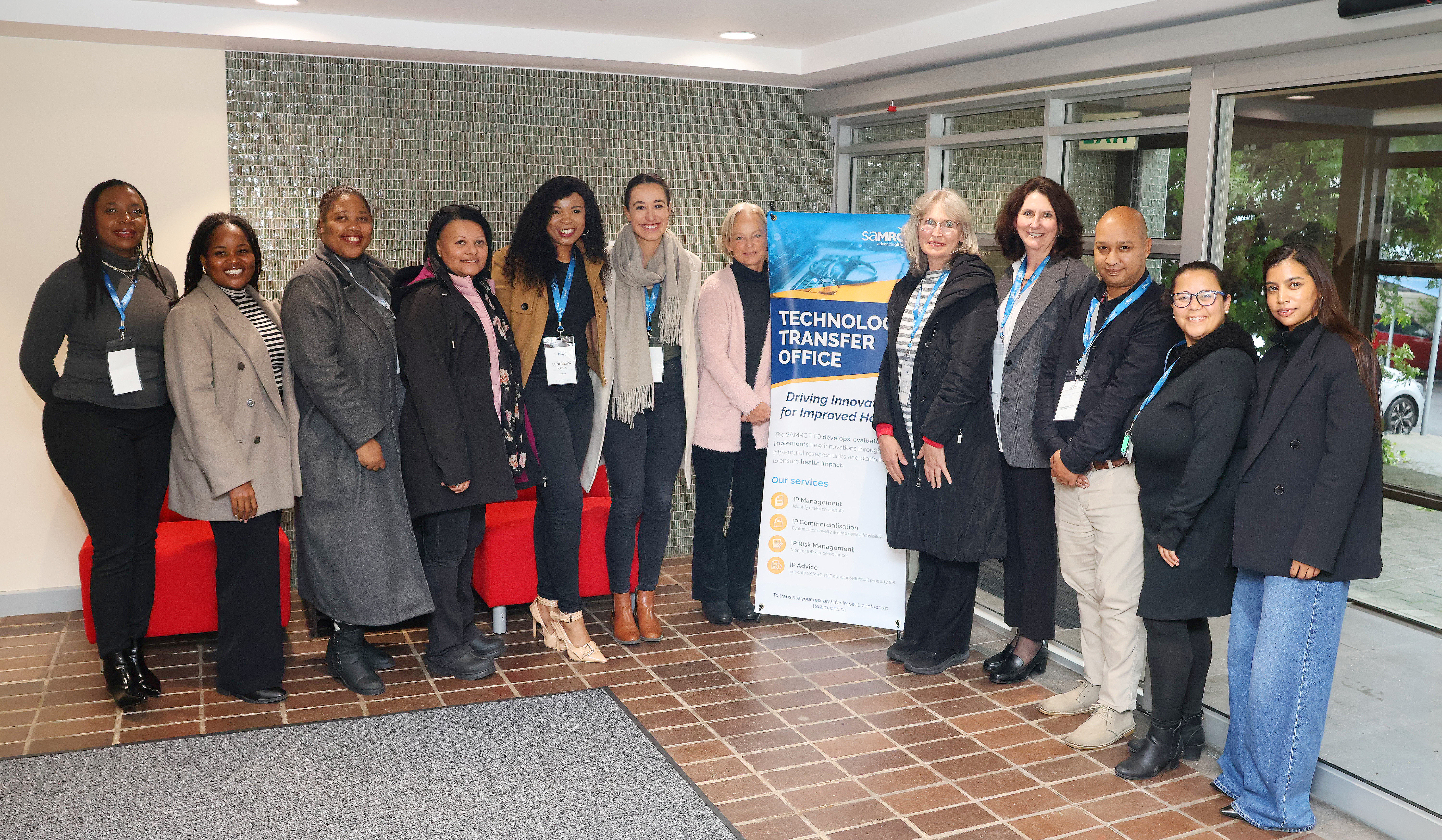
In celebration of World Intellectual Property Day 2026, the South African Medical Research Council (SAMRC) hosted a multidisciplinary engagement that brought together stakeholders from the health research, sport science, legal, and innovation sectors to explore the evolving relationship between intellectual property, wellness, athlete data, and emerging technologies.
Hosted under the theme “IP and Wellness: From Lab to Field,” the event highlighted the critical role of research translation and strategic IP management in transforming scientific discoveries into practical solutions with societal and commercial impact.
The session was facilitated by Ms Grace Baloyi from the SAMRC Technology Transfer Office (TTO), who provided an overview of the SAMRC’s innovation and commercialization ecosystem. Baloyi highlighted the organisation’s commitment to product development through targeted investments in diagnostics, therapeutics, vaccines, medical devices, regulatory support, and preclinical development initiatives. She further emphasized the role of the TTO in managing SAMRC-developed intellectual property and supporting innovation translation through initiatives such as the National Intellectual Property Management Office (NIPMO) OTT support grant.
Positioning the discussion within the broader World IP Day global theme, Baloyi reflected on the SAMRC’s local theme, “IP and Wellness: From Lab to Field,” which underscores the importance of translating locally developed research into impactful health and wellness solutions. She referenced successful South African innovations such as UmbiFlow and export-ready prosthetic liner technologies as examples of locally developed innovations reaching international markets and improving lives beyond the laboratory environment.
The event also featured insights from Dr Nicola Barsby of Science2Sport, who explored the growing role of applied sport science and the concept of “invisible IP” within the sports industry. Barsby highlighted that while visible innovations such as wearables and sports equipment often attract attention, substantial value also exists within proprietary systems, including training periodization frameworks, wellness-monitoring tools, biomechanical fitting methodologies, and standardized testing systems.
Importantly, Barsby raised critical concerns around the stewardship, ownership, and long-term governance of athlete data collected across multiple platforms, teams, coaches, and wearable technologies. Her presentation underscored the increasing need for ethical and operational frameworks capable of protecting athletes while enabling responsible innovation.
Providing a legal and commercial perspective, Dr Andrew Brickey from the South African Cricketers’ Association (SACA) discussed the evolution of collective player image rights and the growing significance of biometric and performance-related data within professional sport. Brickey outlined how SACA’s image-rights trust structure emerged following the 2003 Cricket World Cup negotiations and explained how collective image rights are licensed for sponsorships and sporting events such as SA20.
He further described SACA’s active enforcement of player image rights, including monitoring unauthorized commercial use of player likenesses across social media and advertising platforms. In addition, Brickey highlighted the organisation’s work in evaluating the commercial value of athletes’ social-media presence and educating players on the true market value of their digital influence.
A central theme throughout the discussion was the emergence of biometric, medical, and performance data as a new category of athlete rights requiring contractual protection, ethical governance, and informed consent. Brickey explained that SACA has begun incorporating specific performance and biometric-data clauses into player agreements to regulate access, downstream usage, and commercialization of athlete-generated data.
The discussion also examined broader ethical and legal concerns surrounding athlete data governance. Participants reflected on the increasingly blurred boundaries between performance analytics and sensitive medical information, noting that advanced data analysis can inadvertently reveal private health conditions that may impact athlete livelihoods, career opportunities, and marketability.
Additional concerns were raised regarding third-party wearable-device vendors and platform agreements that may grant external entities extensive access to athlete data. The need for standardized data-collection practices, stronger custodianship models, and transparent governance frameworks emerged as recurring themes throughout the engagement.
The conversation further explored the rapid advancement of artificial intelligence within sport, health research, and wellness technologies. Speakers acknowledged that AI-driven tools and analytics are evolving faster than existing policies and regulatory systems, creating urgent demand for ethical guidelines and governance mechanisms capable of balancing innovation with individual rights and data protection.
The event also gave researchers a platform to showcase their inventions with presentations from Dr Averalda van Graan’s SAFOODS, South Africa’s national food-composition database, which supports researchers, universities, and public-health professionals in nutrition research and dietary analysis. The presentation also reflected on the growing role of AI-enabled tools within nutrition science, public health, and research communication. Mr. Luvuyo Sume from Prosthetic Engineering Technologies (PET) Pty Ltd, a pioneering prosthetic liner manufacturing company based in Gqeberha supported by the SAMRC’s Grants, Innovation and Product Development (GIPD) unit also contributed to the conversation, highlighting on how PET as the first company in the African continent to manufacture prosthetic liners, contributing significantly to the advancement of accessible prosthetic technology in Africa. An additional perspective on innovation in health and wellness was presented by Professor Maritha Kotze from Stellenbosch University under the theme “Translating Innovation in Wellness into Practice.” Her presentation explored the growing role of genetic testing in personalized wellness and preventative healthcare, highlighting how genomics-based approaches are increasingly informing individualized health interventions, lifestyle management, and precision wellness strategies.
Adding a policy perspective to the discussions, Ms Lungelwa Kula from the National Intellectual Property Management Office (NIPMO) provided an overview of South Africa’s intellectual property policy landscape and reflected on the role of policy in supporting innovation, commercialization, and protection. Her presentation highlighted the importance of creating enabling policy frameworks that strengthen the national innovation ecosystem while ensuring that publicly funded research can be effectively translated into socioeconomic impact.
The programme also explored commercialization pathways and innovation impact through a presentation by Ms Sandra Clelland from Von Seidels. Clelland unpacked the journey of transforming innovation into market-ready solutions and discussed the importance of partnerships, licensing strategies, and commercialization mechanisms in driving economic impact within South Africa’s innovation landscape. Her presentation reinforced the importance of collaboration between researchers, technology transfer offices, industry, and legal experts in ensuring that innovative technologies successfully reach society and the market.
Ultimately, the SAMRC World IP Day 2026 engagement reinforced the importance of interdisciplinary collaboration between researchers, clinicians, sport scientists, legal experts, athletes, policymakers, and technology transfer professionals in building sustainable innovation ecosystems that protect both scientific advancement and human dignity.
Through initiatives such as these, the SAMRC continues to strengthen South Africa’s innovation landscape by advancing research translation, supporting commercialization pathways, and fostering impactful technologies that improve health outcomes both locally and globally.
Article by Zamankomose Sibindlana, SAMRC, TTO