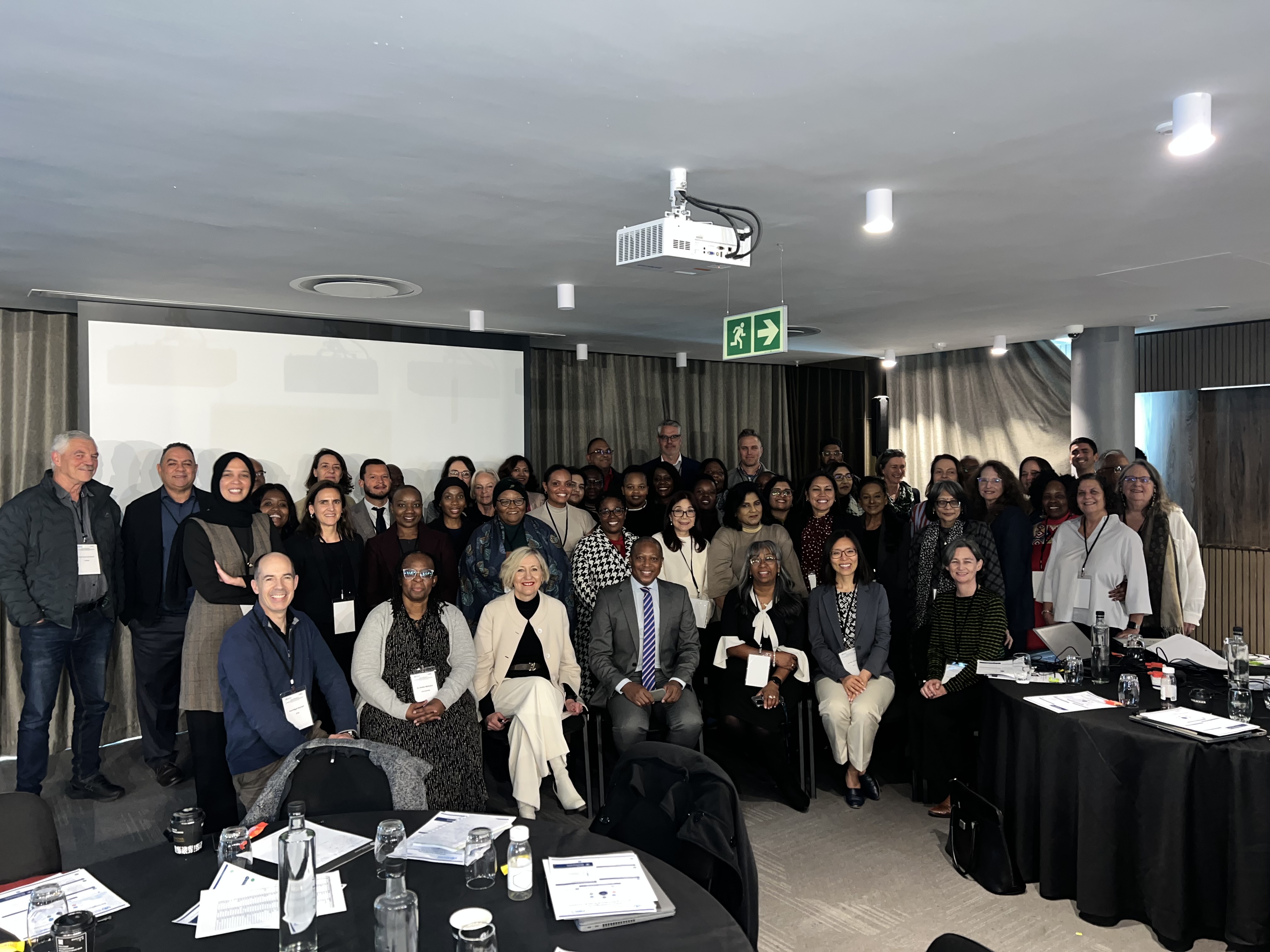
Cape Town - South Africa's position as a leading clinical research destination in Africa took centre stage as the World Health Organization (WHO) and the South African Medical Research Council (SAMRC) convened a National Dialogue on Strengthening the Clinical Trials Ecosystem on 14-15 July 2026 in Cape Town. The two-day meeting brought together a broad range of stakeholders to reflect on the country's strengths, identify opportunities for improvement and help shape a shared vision for the future of clinical trials in South Africa.
Participants included representatives from government departments, regulatory authorities, research ethics committees, academic institutions, research organisations, funders, international agencies, clinical trial investigators, community engagement practitioners and implementation partners. The consultation formed part of South Africa's participation in the WHO Global Action Plan for Clinical Trial Ecosystem Strengthening.
The dialogue focused on strengthening the systems that support clinical research, including governance, ethics oversight, regulatory processes, workforce development, institutional capability, community engagement and preparedness for future health emergencies. Discussions also explored how South Africa can enhance its competitiveness while maintaining the highest standards of scientific integrity and participant protection.
Opening the meeting, Prof Ntobeko Ntusi, President and CEO of the SAMRC, highlighted the strategic importance of clinical trials to South Africa's scientific and health future, saying "Clinical trials should be viewed as strategic national assets and an important indicator of scientific maturity. South Africa has made enormous contributions to global health research, but maintaining our leadership position will require deliberate investment in people, infrastructure, regulatory efficiency, community engagement and innovation."

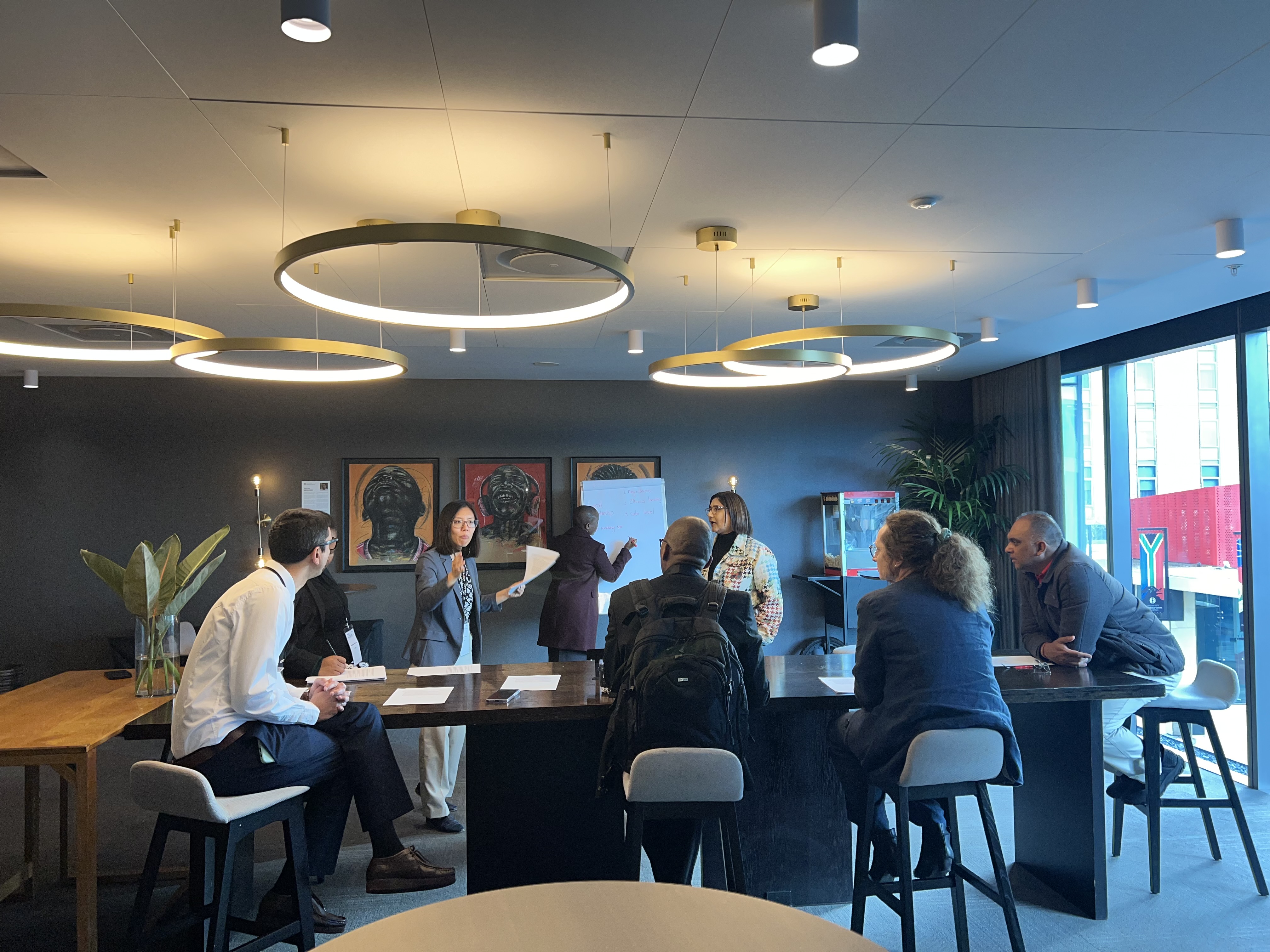
Prof Ntusi emphasised that participation in clinical research by African populations is both a scientific necessity and an equity imperative, ensuring that innovations are informed by the realities and needs of the populations they are intended to serve.
Representing WHO, Dr Wei Zhang outlined the organisation's vision for stronger, more resilient clinical trial ecosystems globally. Dr Wei added, "Strong clinical trial ecosystems are built on effective governance, institutional capability, research ethics oversight and regulatory oversight. Countries that invest in these foundations are better positioned to respond to health challenges, generate high-quality evidence and improve health outcomes."
Presenting South Africa's participation in the WHO initiative, Prof Liesl Zühlke, SAMRC Vice-President of Extramural Research and Internal Portfolio, outlined the collaborative national process that included a landscape analysis, investigator survey and stakeholder consultations.
"South Africa enters this process with significant strengths, including experienced investigators, established trial infrastructure and trusted international partnerships. The opportunity now is to build on these foundations by strengthening coordination, expanding community engagement, supporting workforce development and ensuring the long-term sustainability of the clinical trials ecosystem", said Prof Zuhlke.
The meeting also considered lessons emerging from the COVID-19 pandemic and the need for countries to be able to initiate and conduct high-quality clinical research rapidly during public health emergencies. Participants repeatedly highlighted the importance of creating systems that are both rapid and rigorous; capable of supporting timely research without compromising ethics, participant safety or scientific quality.
Over the course of the dialogue, stakeholders explored emerging WHO benchmarking tools designed to help countries and institutions assess and strengthen research ethics systems and clinical trial capability. Discussions also identified practical priorities for South Africa, including improved coordination between ethics and regulatory systems, workforce development, enhanced research transparency, greater inclusion of underserved populations and stronger collaboration across sectors.
A recurring message throughout the meeting was that South Africa already possesses many of the ingredients required for a globally competitive clinical trials ecosystem, including scientific expertise, internationally recognised research institutions, strong regulatory foundations and extensive experience in conducting complex clinical studies. The challenge now is to ensure that these strengths are connected through a coordinated national effort.
The meeting concluded with a strong call to move beyond discussion towards implementation under the banner of "Act for Impact!". As South Africa continues to strengthen its clinical research environment, the dialogue demonstrated a collective commitment to building a future where clinical trials are not only scientifically excellent, but also inclusive, ethical, efficient and responsive to the health needs of all communities.
By bringing together leaders from across the clinical research landscape, the National Dialogue has laid the foundation for the next chapter in South Africa's journey towards a stronger, more connected and globally competitive clinical trials ecosystem.
Useful Resources
- WHO Global Action Plan for Clinical Trial Ecosystem Strengthening | HERE
- Guidance for best practices for clinical trials | HERE
- WHO Good Practices for Clinical Trial Design and Implementation | HERE
- WHO tool for benchmarking ethics oversight of health-related research involving human participants | HERE