What would you do if someone collapsed in front of you today?
For many people, that question is unsettling. Yet the answer could mean the difference between life and death.
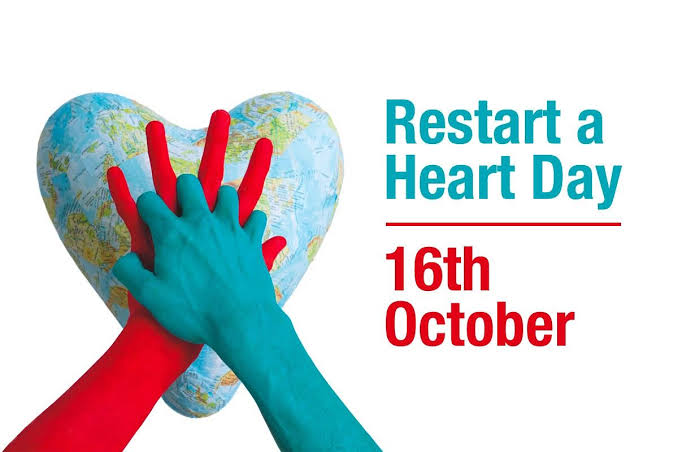
In observing World Restart a Heart Day on 16 October, the South African Medical Research Council (SAMRC) is encouraging South Africans to learn a simple but powerful skill: hands-only CPR.
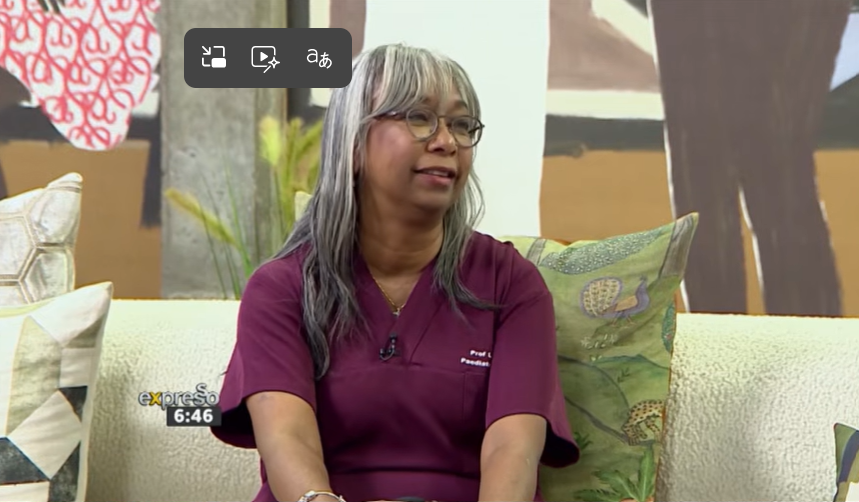
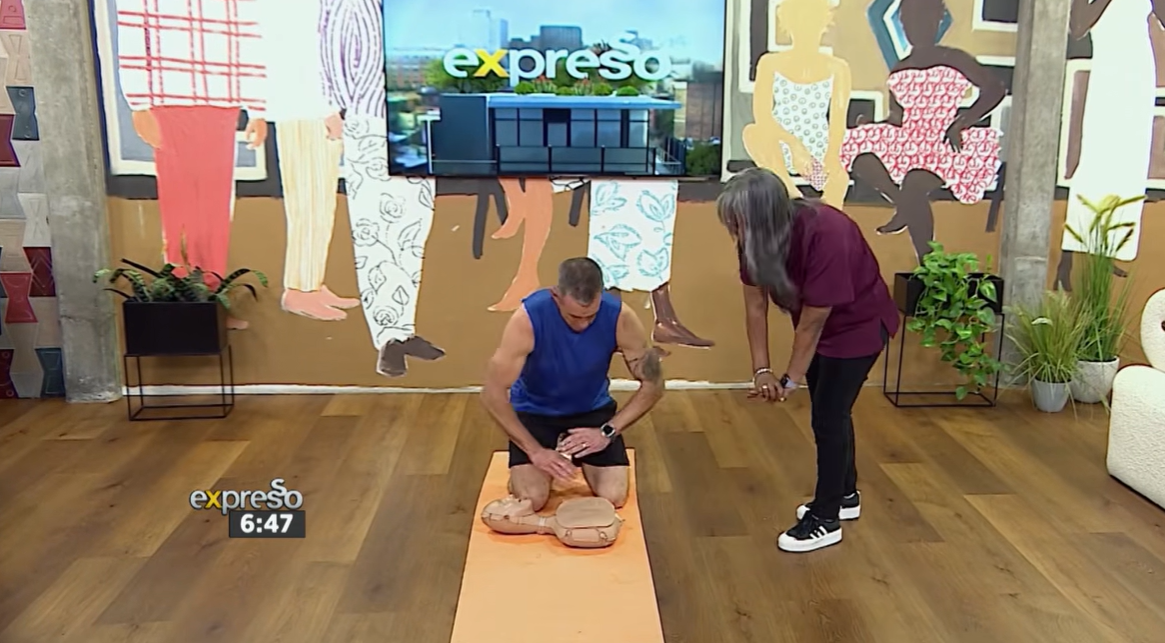
Recently, Professor Liesl Zühlke, SAMRC Vice-President of Extramural Research and Internal Portfolio (ERIP), and a leading cardiovascular researcher, joined the Expresso Morning Show to demonstrate how ordinary people can help save a life during a cardiac emergency.
 |
 |
"The first thing is to make sure that you are safe, that the person is safe, and that help has been called," Prof Zühlke explained. "Then, if possible, start hands-only CPR. In an adult, cardiac arrest is usually cardiac, so getting the blood moving again with CPR can actually save a life."
One of the biggest barriers to intervention is fear. Many people believe that CPR always requires mouth-to-mouth resuscitation, a misconception reinforced by television and film.
"You don't have to do mouth-to-mouth if you're worried about your safety," said Prof Zühlke. "You can do hands-only CPR and you can still save a life."
Research shows that immediate bystander CPR can significantly increase a person's chances of survival following an out-of-hospital cardiac arrest. Yet, rates of bystander intervention vary widely across the world. According to Prof Zühlke, studies have found that survival rates following out-of-hospital cardiac arrest can be less than 2% in some low- and middle-income countries, compared with 10-12% or higher in settings where public CPR awareness and training are more widespread.
"Countries with higher levels of CPR knowledge tend to have better outcomes when people collapse outside of healthcare facilities," she said. "You really can save a life in those critical moments before professional help arrives."
During the live demonstration, Prof Zühlke highlighted the fundamentals of hands-only CPR: place your hands in the centre of the chest, keep your arms straight, and apply firm, continuous compressions at a rate of about 100 to 120 compressions per minute. "The aim is to keep the blood moving and keep the brain alive until emergency services arrive," she explained. "You're effectively doing the work of the heart."
While healthcare workers often receive CPR training as part of their professional development, cardiac emergencies can happen anywhere: at home, in the workplace, on a sports field, or during a family gathering. In many cases, the first person available to help is not a healthcare professional, but a family member, colleague, friend, or passer-by.
That is why World Restart a Heart Day focuses not only on awareness, but on empowering ordinary people to act confidently in an emergency.
This October, the SAMRC encourages staff, partners, and members of the public to take a few minutes to learn the basics of CPR. One day, that knowledge could help save the life of someone you love.
Watch the Expresso interviews and CPR demonstration here:
- Part 1 - https://youtu.be/4RtJ_pJlXsc
- Part 2 - https://youtu.be/3CH0T1v3PWc
Key reminders if someone collapses:
- Ensure the scene is safe.
- Call for emergency medical assistance immediately.
- Check for responsiveness and signs of life.
- If advised or trained to do so, begin hands-only CPR.
- Continue until emergency services arrive or the person shows signs of recovery.
World Restart a Heart Day is observed annually on 16 October to increase public awareness of CPR and improve survival from cardiac arrest through community action and education.
#WorldRestartAHeartDay #ScienceSavesLives #SAMRC #SouthAfrica #HeartHealthSA #PublicHealthSA #SaveALife #CPRTraining #StrongerCommunities #HealthAwareness