
SAMRC Organises its First Workshops to Strengthen Research Management and Institutional Support at Historically Disadvantaged Institutions (HDIs)
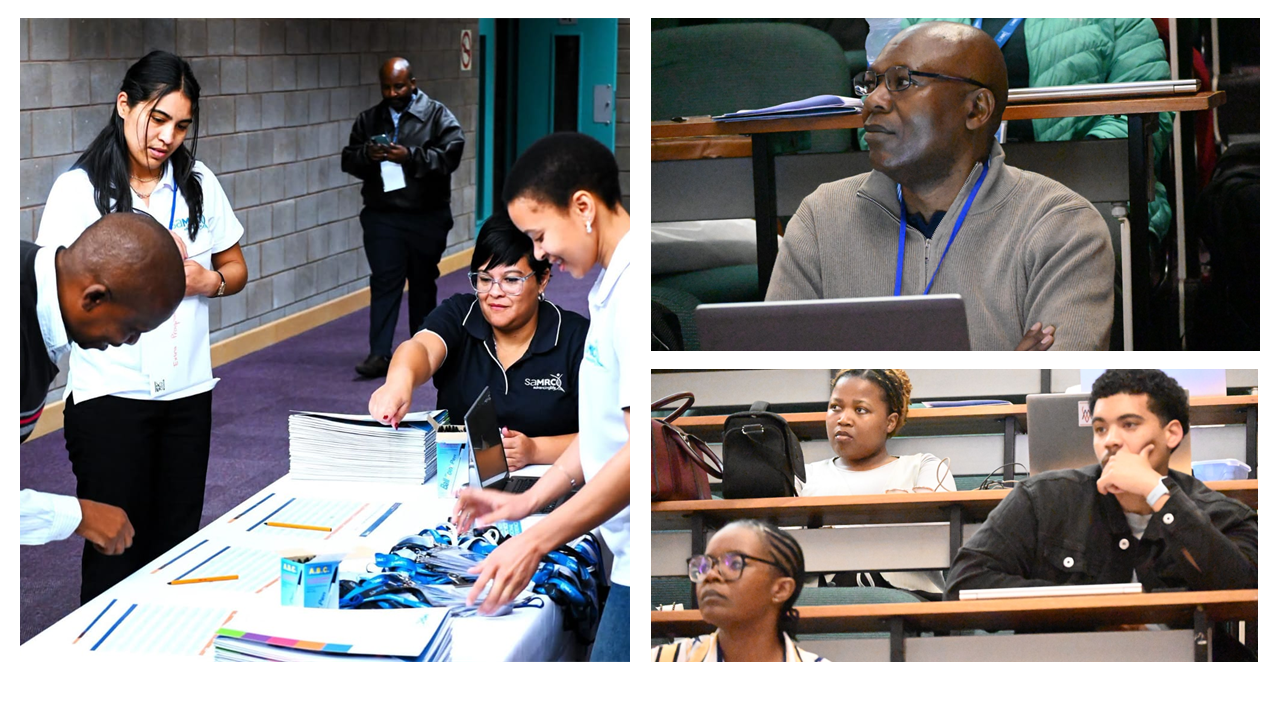
Hosted by iYunivesithi Walter Sisulu in East London on 16 September 2026, the workshops preceded the Third Regional Grant Holders Conference and focused on strengthening the institutional systems that support health research.
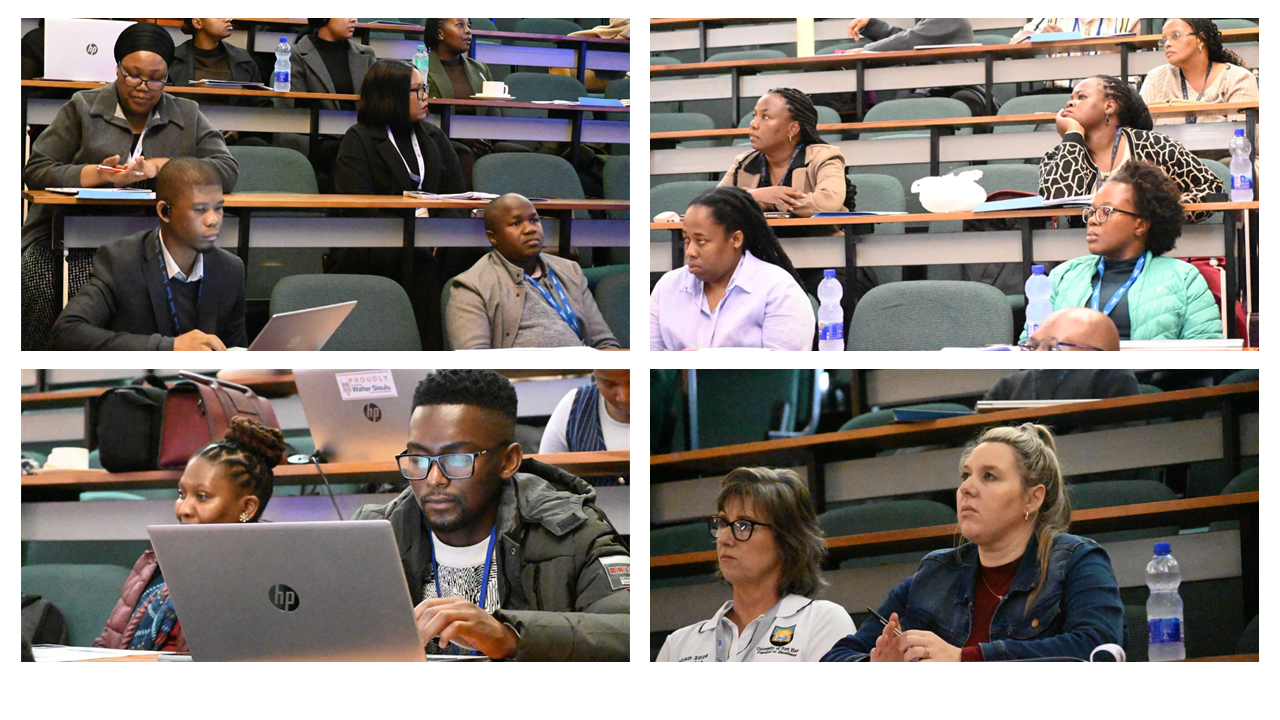
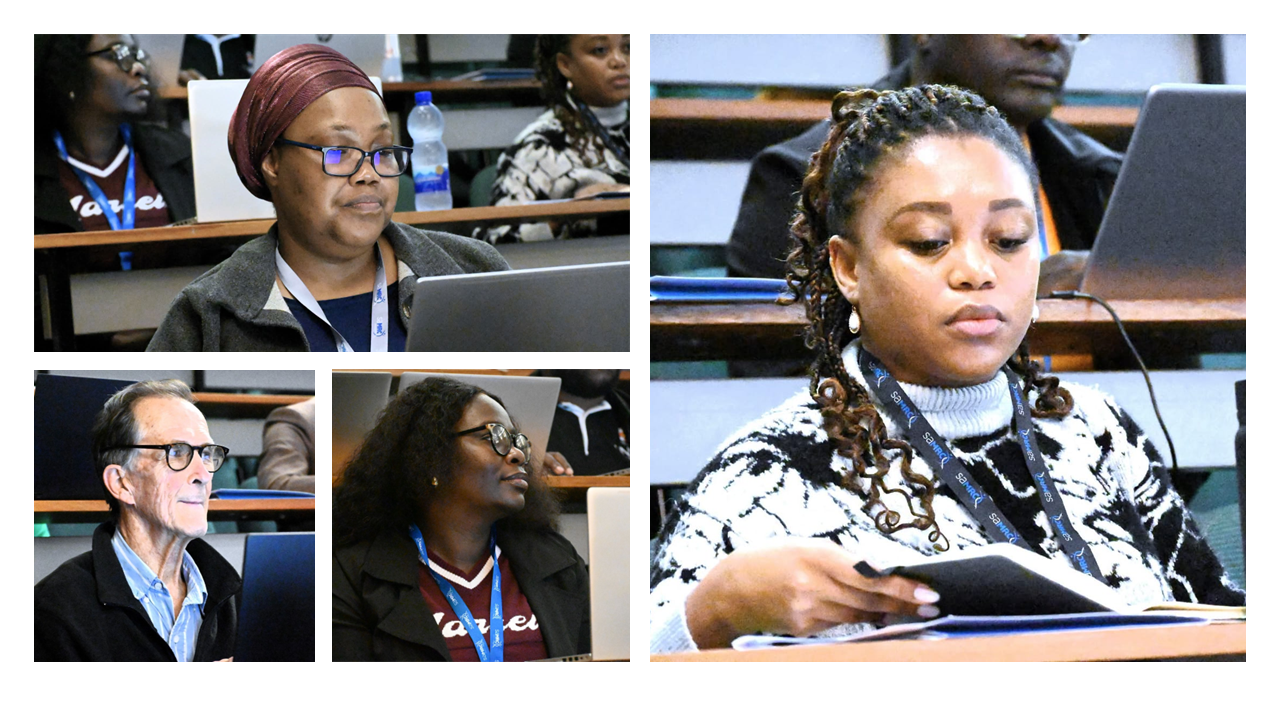
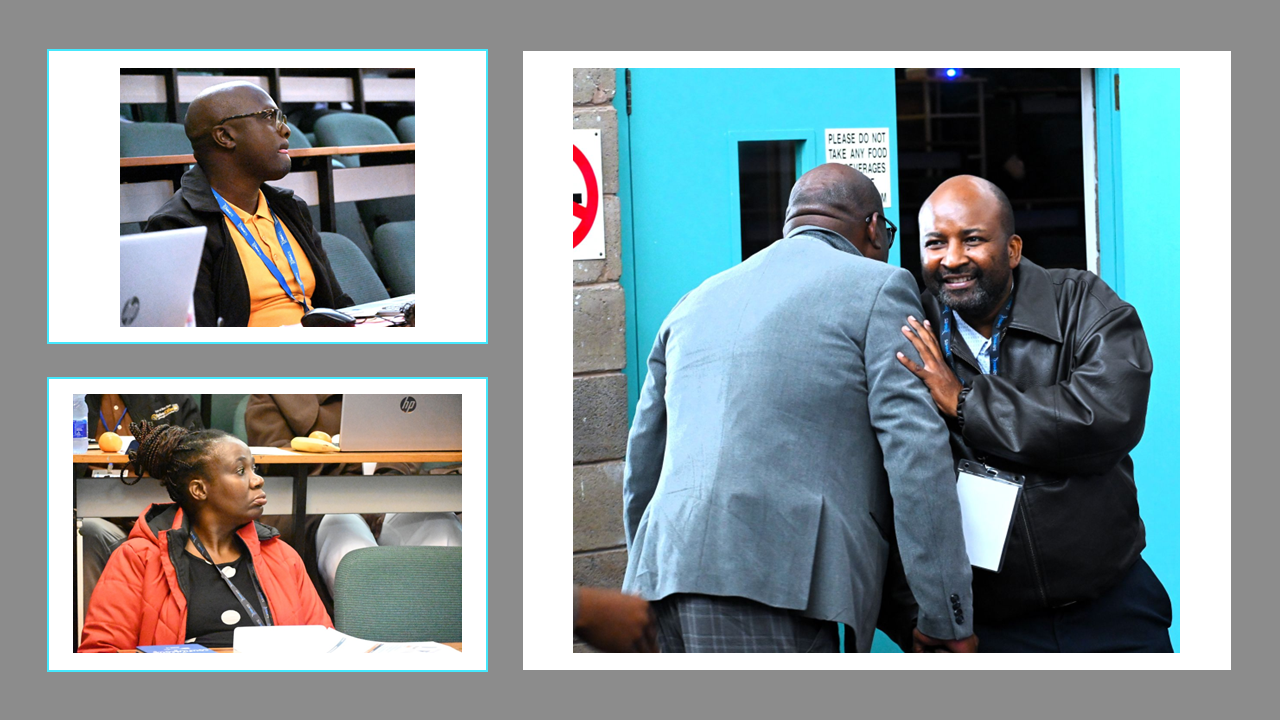
The workshop programme brought together 100 participants, including grant holders, research administrators, support personnel, and emerging researchers from iYunivesithi Walter Sisulu (WSU), Rhodes University, the University of Fort Hare, and Nelson Mandela University. Guided by the key aim of "Improved alignment between SAMRC and universities for good governance of research awards", the workshop focused on strengthening research management capacity, promoting good governance practices, and supporting the effective administration of research grants.
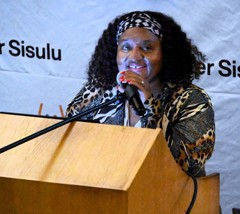
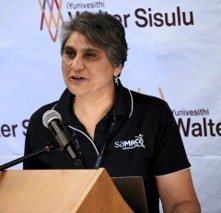
Dr Abeda Dawood, RCD Division Manager, and Professor Nosisi Feza, Deputy Vice-Chancellor: Research, Innovation, Internationalisation and Partnerships at iYunivesithi Walter Sisulu, welcomed participants. In their opening addresses, they highlighted the importance of developing institutional research support systems alongside researchers, with research management, mentorship and sustained capacity development providing the foundations for sustainable research environments to address South Africa's health challenges.
|
|
As an introduction to the workshops, Dr Abeda Dawood provided an overview of SAMRC RCD opportunities, including scholarships and grants/career award programmes.
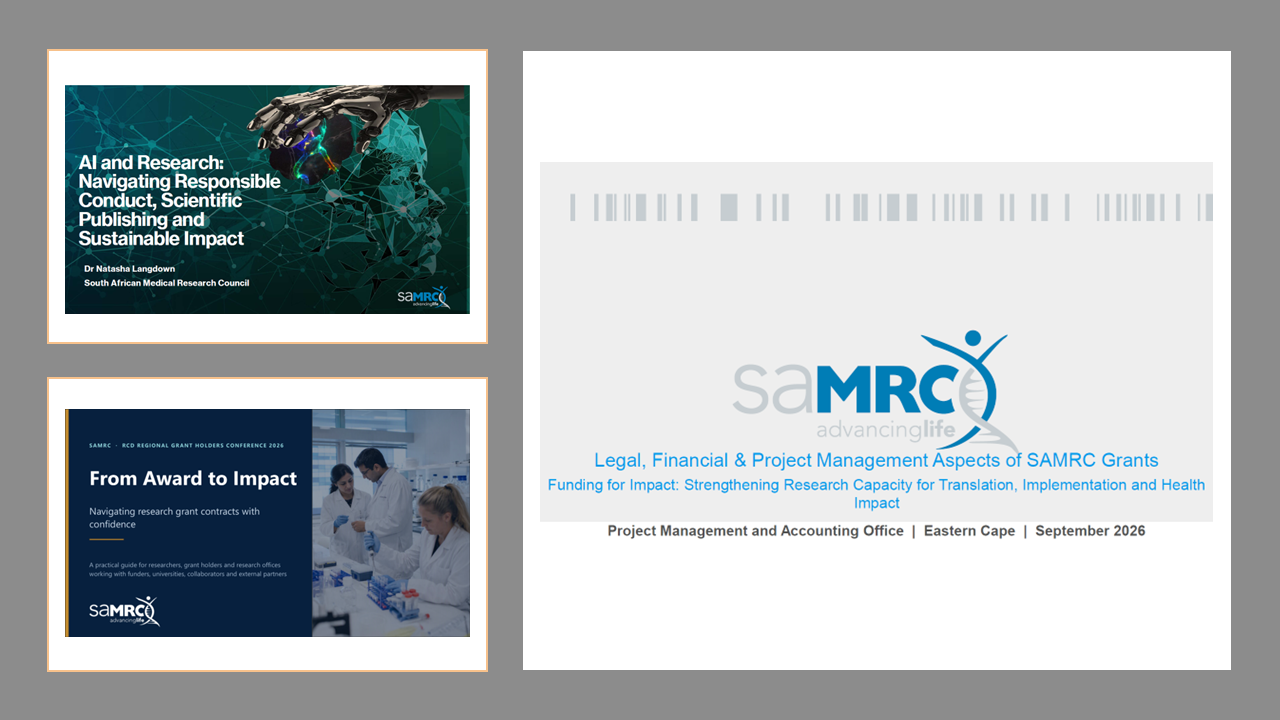
Mr Peter Mwewa (SAMRC's Project and Management Accounting Office) led the first workshop session, which offered practical guidance on managing grant-funded research project finances. It covered budgeting, expenditure management, financial reporting and the accountability mechanisms needed to manage research funding responsibly.
Ms Alma Purcell (SAMRC's Legal and Compliance Services Department) followed with a session on legal and compliance matters, highlighting the SAMRC contractual dimensions of research grant management. Participants received guidance on contractual obligations, institutional approval processes, compliance requirements and the responsibilities associated with externally funded research.
Addressing recent developments in the research environment, Dr Natasha Langdown (SAMRC's Knowledge and Information Management Services) facilitated a workshop on the responsible use of artificial intelligence and information systems in research. The session examined research integrity, publication quality, transparency in scientific reporting and appropriate acknowledgement of funding sources in scholarly outputs.
The programme concluded with an Emerging Researcher Seminar Series session led by Dr Abeda Dawood, covering scientific writing, proposal development and thesis preparation.
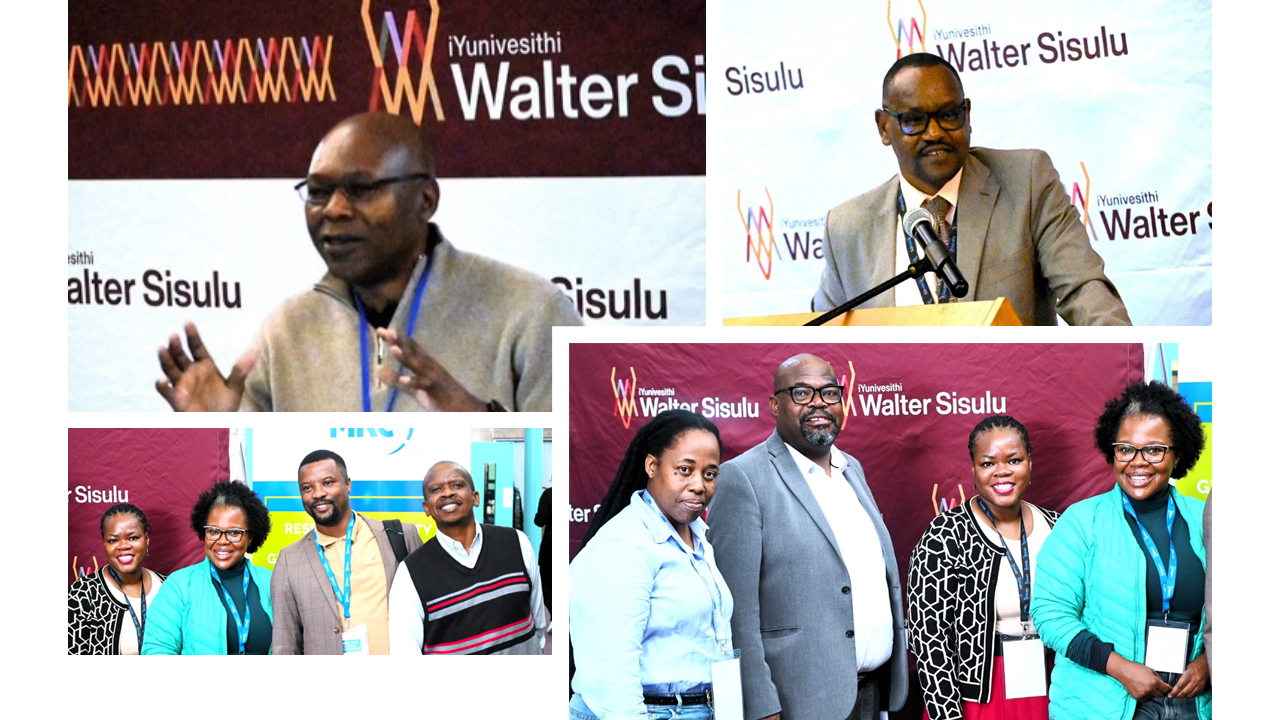
Reflecting on the pre-conference workshops, Dr Frederic Nduhirabandi, who chaired the programme, highlighted the event as a unique opportunity for the SAMRC to bring together researchers and research support professionals for practical discussions on governance, accountability, compliance, integrity and scholarly communication.
Closing the workshops, Dr Abeda Dawood thanked beneficiaries, facilitators, and representatives of the research offices of participating institutions for their engagement. She emphasised that the workshops' impact would depend on how participants apply the knowledge and skills gained to strengthen research management, governance, compliance and researcher development within their institutions. She encouraged participants to apply these lessons in support of research integrity and institutional research excellence.
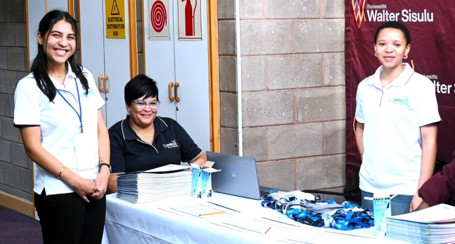
The workshops reinforced the SAMRC's commitment to investing in both researchers and the institutional systems that support their work. As South Africa addresses complex health challenges, effective research support systems remain essential to responsible funding management and research that benefits communities and the health system. The workshops placed these institutional foundations alongside individual capacity development as priorities for a sustainable health research enterprise.
Written by Fallon Heinrich (reviewed by Dr Frederic Nduhirabandi and Dr Abeda Dawood)
 |
 |
 |
 |
 |
 |