The Health Systems Trust, in collaboration with the Health Economics and AIDS Research Division (HEARD), a unit of the University of KwaZulu-Natal, released the key findings of the 2021 edition of the South African Health Review (SAHR) on the 8th December 2021.
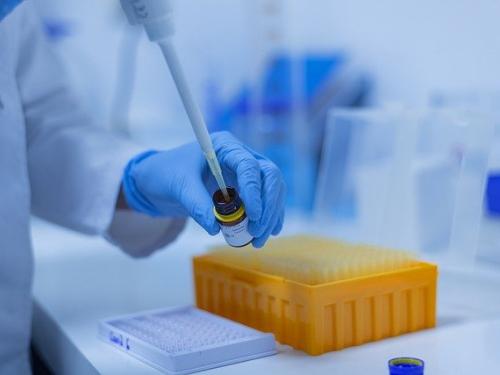
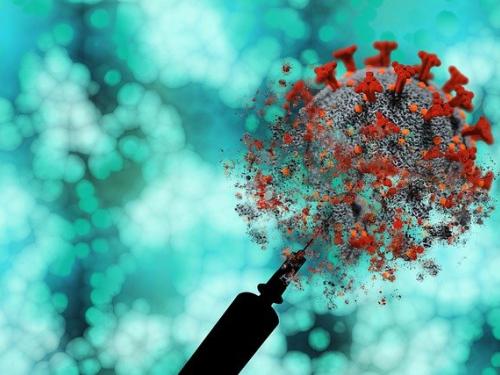 As the country begins to see the effect of the 4th wave, only about a third of the eligible population in South Africa have been fully vaccinated. Vaccination prevents infection and reduces the severity of coronavirus disease 2019 (COVID-19), while unvaccinated individuals are at higher risk and continue to make up the majority of cases involving hospitalizations and fatalities.
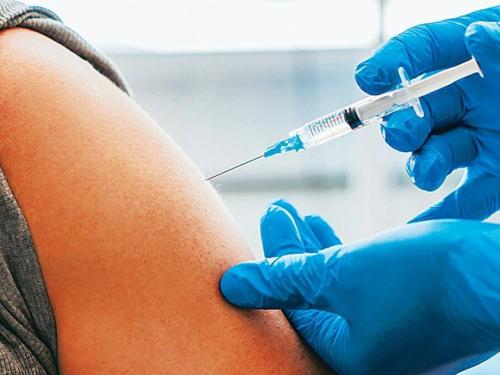 Children constitute a third of the population and must be included in plans to curb Covid-19 infections, while at the same time ensuring they can take part in activities crucial to normal development and health.
 On Dec 24, 2020, the UK's Prime Minister Boris Johnson announced an immediate travel ban on all flights to South Africa after the detection of SARS-CoV-2 beta variant by South African scientists. The resulting travel restriction was lifted 291 days later. On Nov 25, 2021, South African scientists reported a new SARS-CoV-2 variant, B.1.1.529, that was subsequently designated omicron.
 There has been a significant rise in new SARS-CoV-2 infections in the Gauteng Province in the last four weeks which has been attributed to the new Omicron variant announced on 24 November 2021. The first cases of Omicron were detected in the Tshwane District and coincided with the sharp rise in new infections, heralding the onset of the fourth wave in Gauteng.