South African Medical Research Council highlights health risks following floods in Mpumalanga and Limpopo
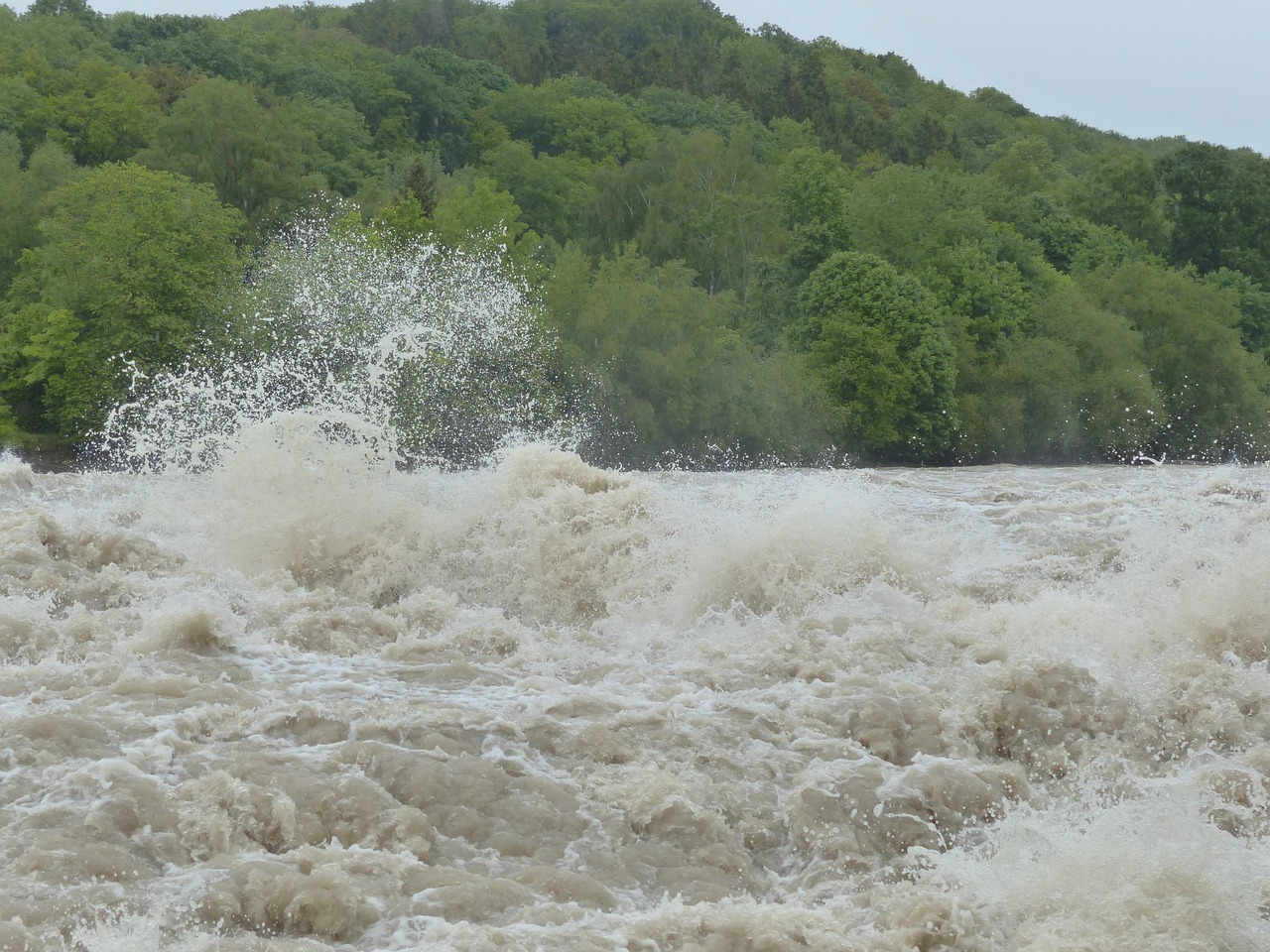
The South African Medical Research Council (SAMRC) notes with concern the significant health risks associated with the recent flooding experienced across parts of Mpumalanga and Limpopo recently.
Professor Caradee Y. Wright, Chief Specialist Scientist within the Environment and Health Research Unit at the SAMRC says that flooding events pose both immediate and longer-term public health threats, particularly for already vulnerable communities.
One of the most pressing concerns is the increased risk of malaria, as standing water following floods creates ideal breeding conditions for mosquitoes. This risk is especially critical in malaria-endemic areas of Limpopo and Mpumalanga, where health services are often stretched even under normal conditions.
Floodwaters also heighten the likelihood of injuries and wounds, including cuts and abrasions sustained during evacuations or clean-up efforts. When combined with limited access to clean water and healthcare services, these injuries may become infected, leading to more serious health complications.
In addition, Prof Wright highlighted the elevated risk of water-borne diseases, particularly diarrhoeal illnesses, due to contamination of drinking water sources and damage to sanitation infrastructure. Children, older adults, and people with underlying health conditions are especially vulnerable to these outcomes.
Beyond direct health impacts, the floods have disrupted essential services and livelihoods. Damage to roads and transport networks has prevented healthcare workers and other essential workers from reaching their workplaces, while many community members have been unable to access clinics, hospitals, or pharmacies. Flood-related disruptions to food supply chains have also resulted in food shortages and nutritional insecurity, compounding health risks, particularly for households already experiencing poverty.
Prof Wright highlighted that these impacts reflect long-standing challenges related to inadequate infrastructure, limited access to healthcare, and social inequality, which are exacerbated during extreme weather events. She noted that climate-related disasters increasingly expose systemic vulnerabilities and require coordinated, multi-sectoral responses.
“The health impacts of flooding extend far beyond the immediate event,” Prof Wright said. “They affect disease patterns, access to care, livelihoods, food security, and mental wellbeing. Strengthening infrastructure, improving early warning systems, and ensuring climate-resilient health services are essential to protect communities now and in the future.”
For inquiries, please contact:
Tendani Tsedu
SAMRC Head of Corporate and Marketing Communications
Cell: 082 945 1980
Email: tendani.tsedu@mrc.ac.za
About the SAMRC:
The South African Medical Research Council (SAMRC) was established in 1969 with a mandate to improve the health of the country’s population, through research, development and technology transfer, so that people can enjoy a better quality of life. The scope of the organisation’s research projects includes tuberculosis, HIV/AIDS, cardiovascular and non-communicable diseases, gender and health, and alcohol and other drug abuse. With a strategic objective to help strengthen the health systems of the country – in line with that of the Department of Health, the SAMRC constantly identifies the main causes of death in South Africa.