
Research focus: Advanced Cell Culture Modelling
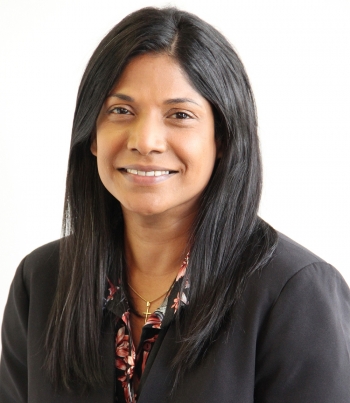
Biography: Nireshni Chellan is a Specialist Scientist at the South African Medical Research Council, dedicated to advancing the understanding of pancreatic islet dysfunction in type 2 diabetes. Her research focuses on the cellular consequences of chronic inflammation, oxidative stress, and IAPP-induced toxicity—key contributors to beta cell failure and insulin resistance. At the heart of her current work is the development of advanced in vitro models that better replicate the complex 3D structure and function of pancreatic islets and the development of a predictive hepatotoxicity model. By integrating multiple advanced cell culture systems, her team has achieved long-term spheroid and tissue biopsy cultures lasting over 90 days. These models offer a promising alternative to animal testing, creating an ethical and physiologically relevant bridge between flat culture and in vivo studies. Models established in the advanced cell culture facility include predictive hepatotoxicology, pancreatic beta cell models, tumorigenic spheroids, ex vivo biopsies and corneal epithelial damage. Dr. Chellan began her scientific career with a degree in Biological Sciences from the University of Natal. Since joining the SAMRC in 2006, she has completed her postgraduate training, including a PhD at Stellenbosch University. She has almost two decades of hands-on expertise in cell culture, molecular biology, immunohistochemistry, and flow cytometry. Her passion for building scientific capacity is reflected in her supervision and mentorship of several postgraduate students and her key role in the impactful CSSFF-SAMRC Training Programme. She also holds an extraordinary lecturer position in the Division of Medical Physiology at Stellenbosch University. Nireshni has contributed to more than 20 peer-reviewed publications and numerous international collaborations with institutions in Belgium, Denmark, Japan, and Italy. She also serves on several scientific committees, including the SAMRC Ethics Committee for Research on Animals. Her work exemplifies the shift towards ethically responsible and impactful, translational biomedical research, offering powerful insights into disease mechanisms while championing alternatives to animal experimentation.